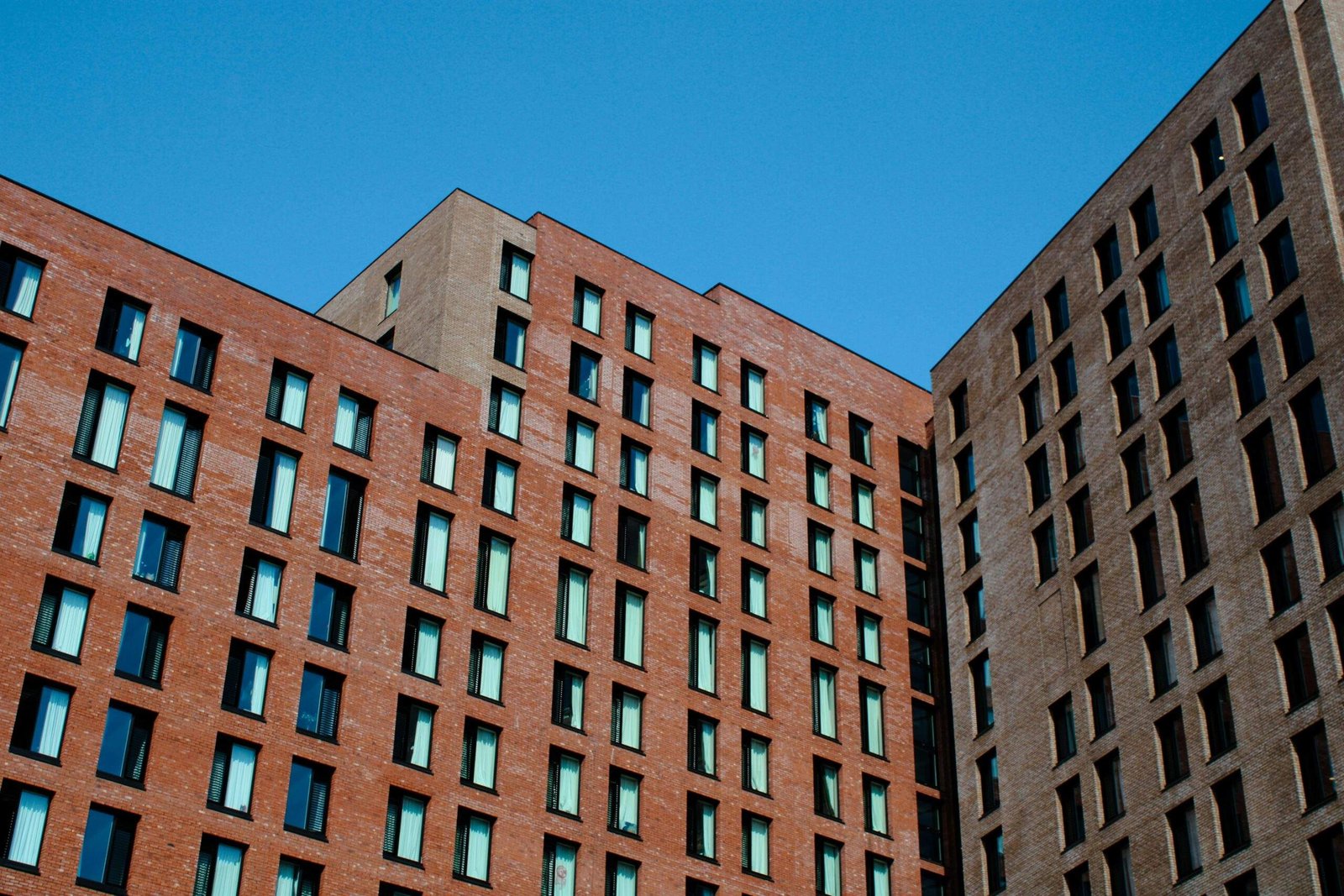
Introduction to Student Accommodation in Malta
Malta has emerged as a favored destination for international students, providing a unique combination of high-quality education and a vibrant cultural experience. The appeal of studying in Malta can be attributed to several factors, including its English-speaking environment, a rich historical backdrop, and a range of modern facilities suitable for learners from all corners of the globe.
The landscape of student accommodation in Malta is varied, catering to the diverse needs of its multicultural student body. Students can find options ranging from private apartments, shared housing, to more formal student residences. Each type of accommodation offers distinct advantages, making it important for prospective students to understand their choices and select the option that best aligns with their lifestyle and budget.
Locations play a crucial role in determining the suitability of student housing in Malta. Popular towns such as Valletta, Sliema, and St. Julian’s stand out due to their proximity to universities and vibrant social scenes. These locations not only provide an excellent study environment but also offer numerous recreational activities, enhancing the overall student experience.
Moreover, students can benefit from a range of amenities available at many of these accommodations, such as Wi-Fi access, fully-equipped kitchens, and communal study areas. This array of facilities facilitates both academic success and social interactions among students. As the student accommodation sector in Malta continues to evolve, it remains essential for students to stay informed about their options, ensuring they find the most suitable and comfortable living arrangements during their educational journey in this stunning Mediterranean island.
Types of Accommodation Available for Students
When it comes to student accommodation in Malta, there is a variety of housing options that cater to diverse preferences and budgets. Understanding these options can significantly help students make an informed decision about where to live during their studies.
One of the most popular choices among students is shared apartments. Typically, these living arrangements allow multiple students to share a larger space while splitting the costs, making them an affordable option. Shared apartments not only reduce living expenses but also foster a lively social environment, allowing students to build friendships and connections. However, it’s important to consider the level of privacy, as sharing common areas can involve some compromise.
Private studios are another appealing choice for students seeking more independence. These self-contained units offer the convenience of an all-in-one living space, complete with a bedroom, kitchenette, and bathroom. While private studios are generally more expensive than shared accommodations, they provide enhanced privacy and flexibility, which can be ideal for focused study time.
Residence halls, often associated with universities, offer a structured living environment that includes on-site services such as security, maintenance, and social activities. This type of accommodation is designed specifically for students and usually provides various options including single or shared rooms. The communal living experience can enhance social interaction, making it easier for new students to integrate into their surroundings.
Lastly, homestays present a unique opportunity for cultural immersion. By living with a local family, international students can gain insight into Maltese culture while enjoying a supportive environment. While this option can vary in terms of privacy and amenities, it typically includes meals and a more personalized experience.
In conclusion, the diverse landscape of student accommodation in Malta provides numerous options to suit individual preferences and budgets. Whether seeking a vibrant shared environment or the solitude of a private studio, each type of accommodation presents unique benefits that cater to the student lifestyle.
Cost of Living and Accommodation in Malta
Living as a student in Malta can be a rewarding experience, not only due to its vibrant culture and scenic beauty but also its relatively affordable cost of living. However, understanding the various expenses associated with student accommodation is crucial for effective budgeting. The average rental prices for student accommodation can vary significantly depending on the location and type of housing. Generally, prospective students can expect to pay between €250 to €600 per month for a room in shared accommodation. Private apartments are often more expensive, with monthly rents starting around €700.
When considering the cost, it is important to understand the variations in rental prices across different cities and neighborhoods. For instance, towns such as Valletta and Sliema can command higher rents due to their central location and amenities. In contrast, areas like Birkirkara and St. Julian’s offer more affordable options that still provide access to essential services. Moreover, students should factor in additional utility costs, which typically range from €50 to €100 per month depending on personal usage.
Besides accommodation, there are other living expenses to contemplate, including groceries, transportation, and leisure activities. On average, students may spend around €150 to €250 monthly on groceries, while public transport is quite affordable, with a monthly bus pass costing approximately €26. To optimize your budget, consider utilizing student discounts available on transportation and leisure activities.
In summary, careful planning and budgeting can help students find accommodation that not only meets their needs but also provides good value for money. By exploring different housing options and being mindful of utility and living costs, students can enjoy their time in Malta without financial strain.
Tips for Finding the Right Student Accommodation in Malta
Finding suitable student accommodation in Malta is a pivotal step in ensuring a rewarding study experience. To facilitate this process, students should commence their search well in advance using various online platforms. Websites dedicated to student housing, such as Student.com and HousingAnywhere, offer extensive listings tailored to students. These platforms allow students to filter options based on budget, location, and amenities, enabling them to find accommodation that aligns with their preferences.
Once potential properties are identified online, arranging to visit these accommodations is crucial. Physical inspections provide a genuine sense of the environment, ensuring that the property meets expectations in terms of condition and suitability. Students should take vital factors into account during visits, such as proximity to universities, availability of public transport, and surrounding amenities like grocery stores and social hubs.
Understanding legal contracts is equally essential in this housing process. Students should carefully review all documentation before signing, seeking clarification on any ambiguous terms. Awareness of common legal requirements such as rental agreements, security deposits, and maintenance responsibilities will help mitigate potential misunderstandings with landlords. It is advisable to enlist the assistance of a local advisor or a student housing expert in Malta who can provide insights into typical practices and legal protections available.
Additionally, establishing open communication with landlords is vital. Understanding the landlord’s expectations, as well as clarifying any concerns about the property and tenancy, will foster a positive rental experience. Students should feel empowered to ask questions and negotiate terms where possible. By taking these proactive steps, students will be well-equipped to navigate the student accommodation market in Malta, ensuring they secure a living arrangement that meets their academic and personal needs.